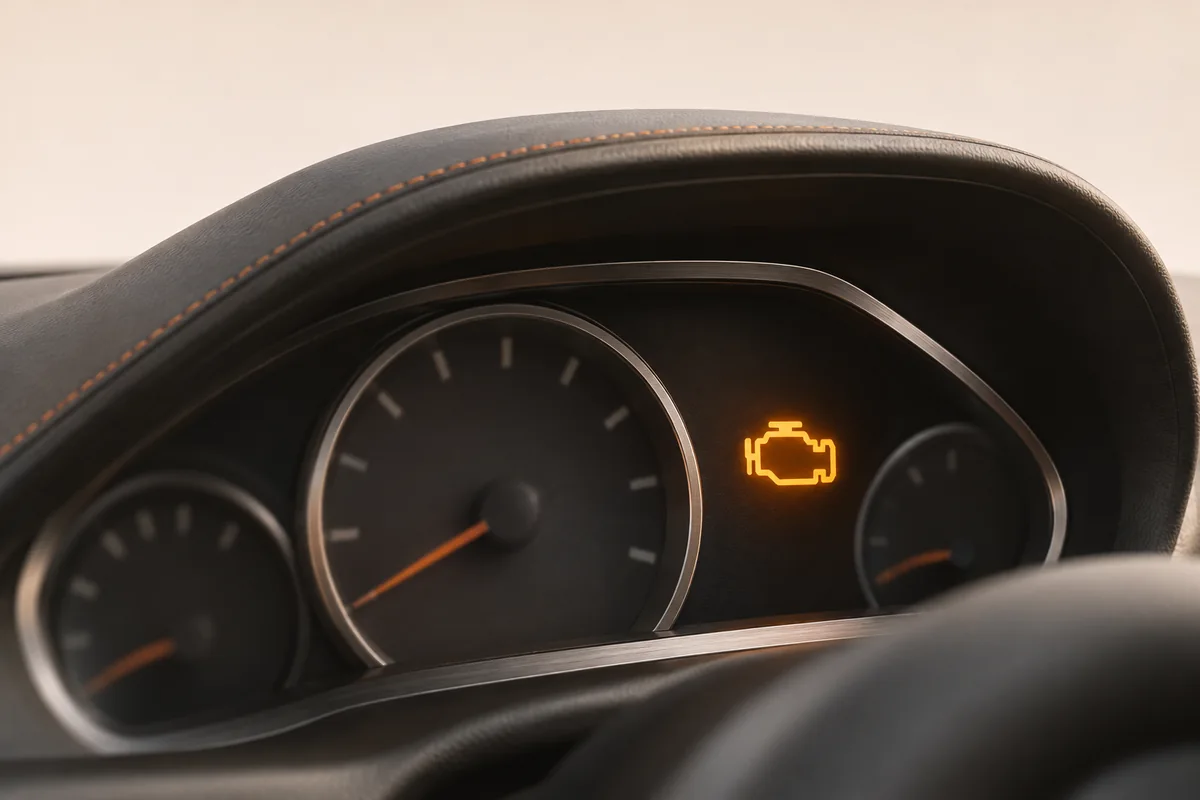
If the check engine light flashes while the engine is running, ease off the accelerator and get to a safe place out of traffic. If the car is shaking, stumbling badly, or losing power, shut the engine off once you're safely stopped and arrange a tow. Don't try another acceleration run to see whether the shaking returns. AAA advises getting to a safe location and seeking immediate service for a flashing check engine light.
Flashing can mean the engine is misfiring severely enough to damage the catalytic converter. Even if the car feels better once you slow down, take the flashing seriously. Where and when it happened will be useful to the technician; you don't need to make it happen again.
Why the light flashes and the car shakes
In a running engine, each cylinder contributes a push as it burns its air and fuel charge. When a cylinder repeatedly misses that contribution, engine power becomes uneven. You may feel the car shudder at a stop or hesitate as you try to accelerate. The shaking is what the driver feels; the flashing lamp is the engine computer's warning about what it's detecting.
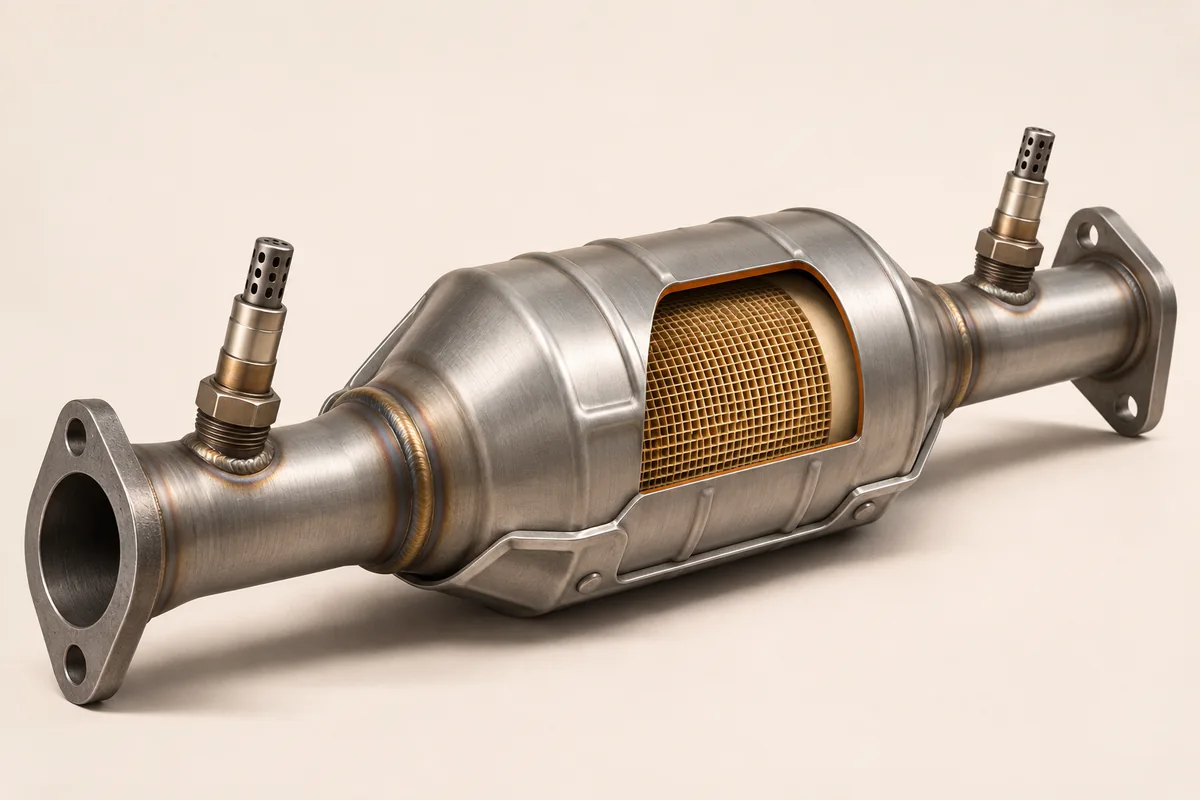
There's also a consequence you may not feel. Unburned fuel from a severe misfire can enter the exhaust and overheat the catalytic converter. That's why the lamp can call for immediate action even before the driver notices a big loss of power. Innova explains the connection between a flashing lamp, misfire, and catalyst damage. The warning indicates a risk of damage; it doesn't establish that the converter has already failed.
Make the roadside decision from the whole picture
| What you observe with the engine running | What to do |
|---|---|
| The lamp flashes and the engine shakes or power falls off | Use the power you have to reach a safe stopping place. Shut down and request a tow. |
| The lamp flashes but the car still feels relatively smooth | Get safely out of traffic and seek immediate service advice. Don't use how smooth it feels to choose a distance to keep driving. |
| The lamp flashed earlier, then went steady or dark | Once safely parked, report the flashing episode and arrange prompt assessment. If rough running or power loss persists, leave the engine off and arrange a tow. |
| The lamp has stayed steady without flashing | Schedule diagnosis. If the engine is running badly or the car can't maintain speed safely, the symptoms warrant stopping regardless of the lamp pattern. |
If you're on a busy road, concentrate on traffic and finding a place to stop. Looking down to count flashes or reaching for a code reader won't help you make that maneuver. Once stopped, tell roadside assistance whether the car lost enough power to make merging or crossing traffic difficult. That detail matters more to the immediate decision than your best guess about a spark plug.
Why flashing can stop when you slow down
A misfire can be more apparent when the engine has to work harder. Suppose the light flashed and the car bucked while climbing a grade, then the light went steady when you lifted off the accelerator. What changed was the demand on the engine. The absence of flashing at the lower demand doesn't establish what caused the stumble or that the car will accelerate normally the next time you need power.
Flashing at idle gives the shop a different clue. Mention whether the shaking was already present when you started the engine or appeared after you came to a stop. Also distinguish between an engine that smoothed out while still running and one you simply switched off. In the latter case, you don't know whether the misfire subsided, and there's no reason to restart a shaking engine just to fill in that detail.
What to tell the shop before the codes are cleared
Start with a short account in driving order: The light was steady before the hill. It began flashing as I accelerated, the car lost power, and it was still shaking when I pulled over. If you didn't notice one of those details, leave it out. A description of what actually happened is more useful than a confident diagnosis based on the dashboard alone.
Ask the shop to save stored and pending codes and any available freeze-frame snapshot before clearing memory. If you already have a scan, send the exact code numbers along with the reader's description. A report of P0300, a random or multiple-cylinder misfire, points to a pattern the technician can investigate. A code identifying a particular cylinder narrows the search further, but still doesn't say whether the fault is in ignition, fuel delivery, or the cylinder itself. AAA's code guidance explains why a scan is the start of diagnosis.
If the estimate includes a converter, ask about two separate findings: what caused the engine to run unevenly, and what shows the converter now needs repair. A P0420 catalyst-efficiency code has a different meaning from a misfire warning. Knowing why the engine misfired matters even when exhaust damage is confirmed, because the original problem needs attention too.
Frequently asked questions
Can I drive a few miles home with the light blinking? There's no reliable safe distance you can infer from the lamp. Aim for the nearest place you can stop safely, then arrange assistance. If the engine is shaking or power is unreliable, have the car towed.
What if the light is off when roadside assistance arrives? Describe it as a flashing light that stopped, including whether you lifted off the accelerator or shut the engine off. Ask to preserve any recorded fault data. The lamp doesn't need to be flashing at the appointment for that history to matter.
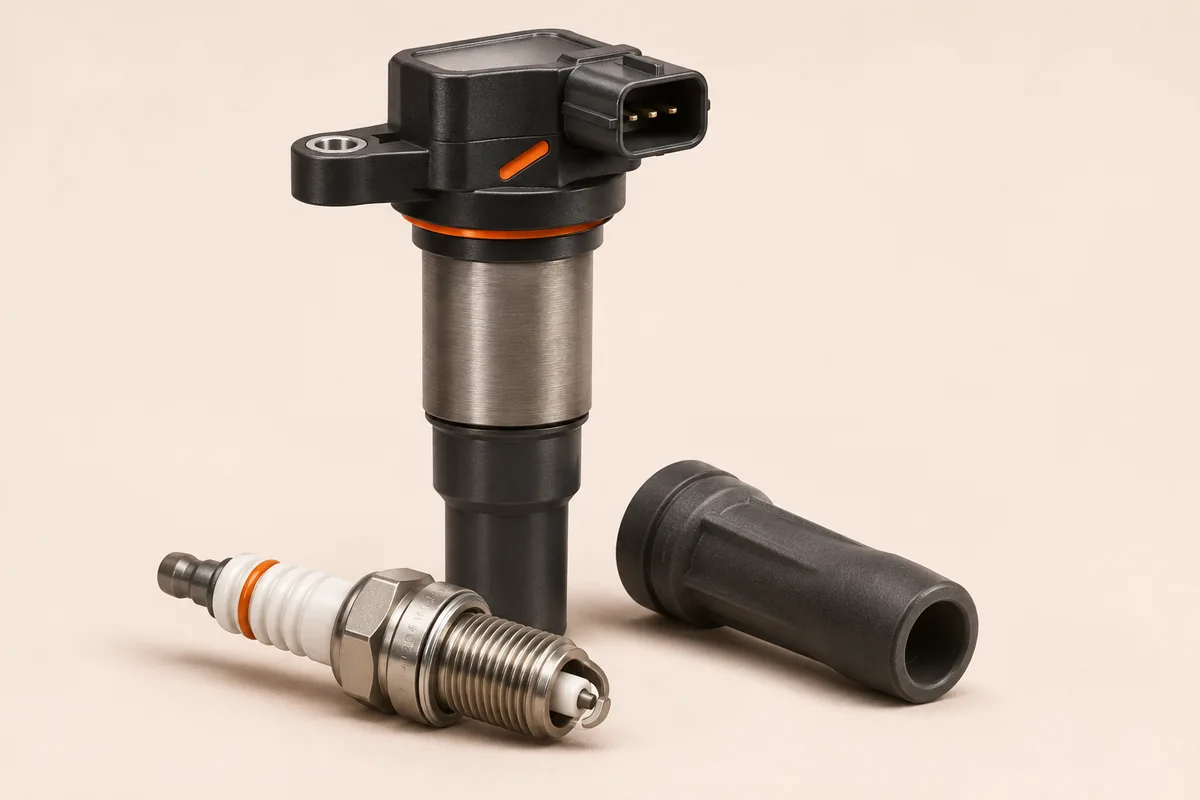
Does flashing tell me which spark plug or coil to replace? No. You can't identify a cylinder or a part from the blinking you see while driving. Scan data and follow-up tests are what distinguish an ignition fault from other causes of uneven combustion.
Check the references
Sources
Sources checked November 8, 2026. This guide is a synthesis of published information; it has not been independently reviewed by a certified mechanic. Follow the service information for your exact vehicle. Read our editorial policy.