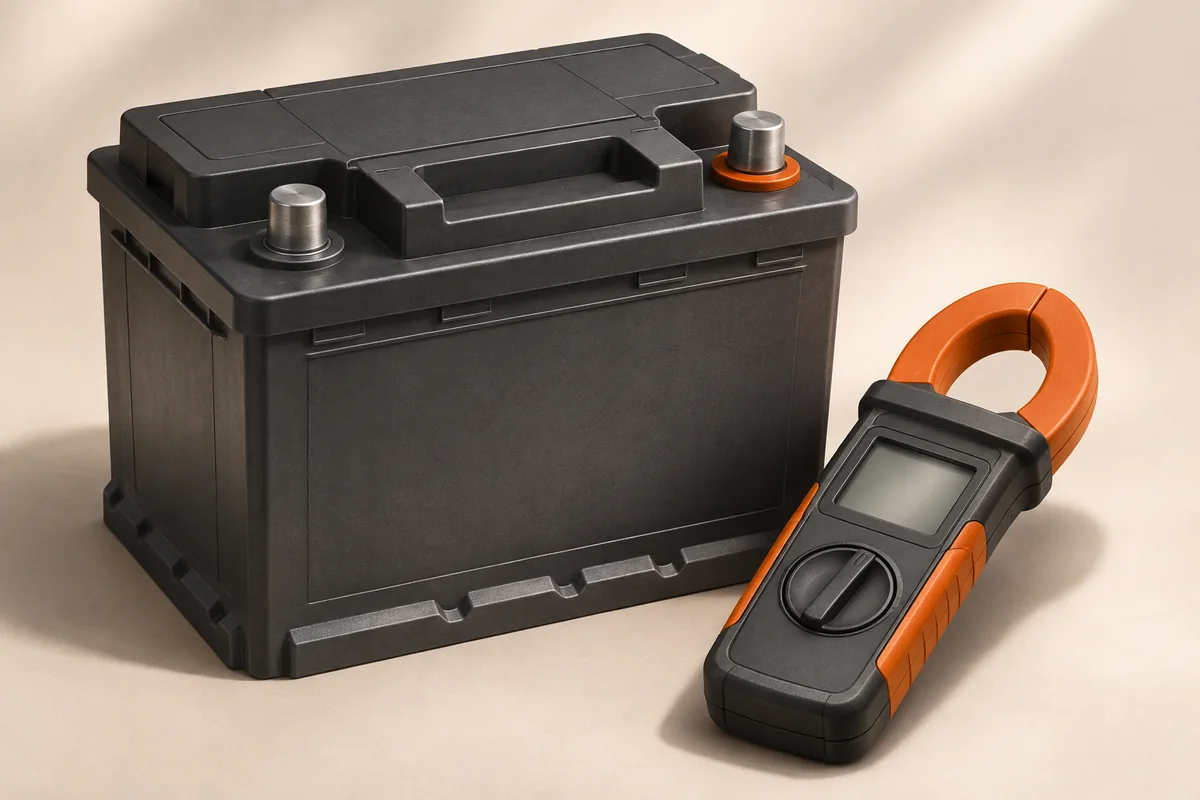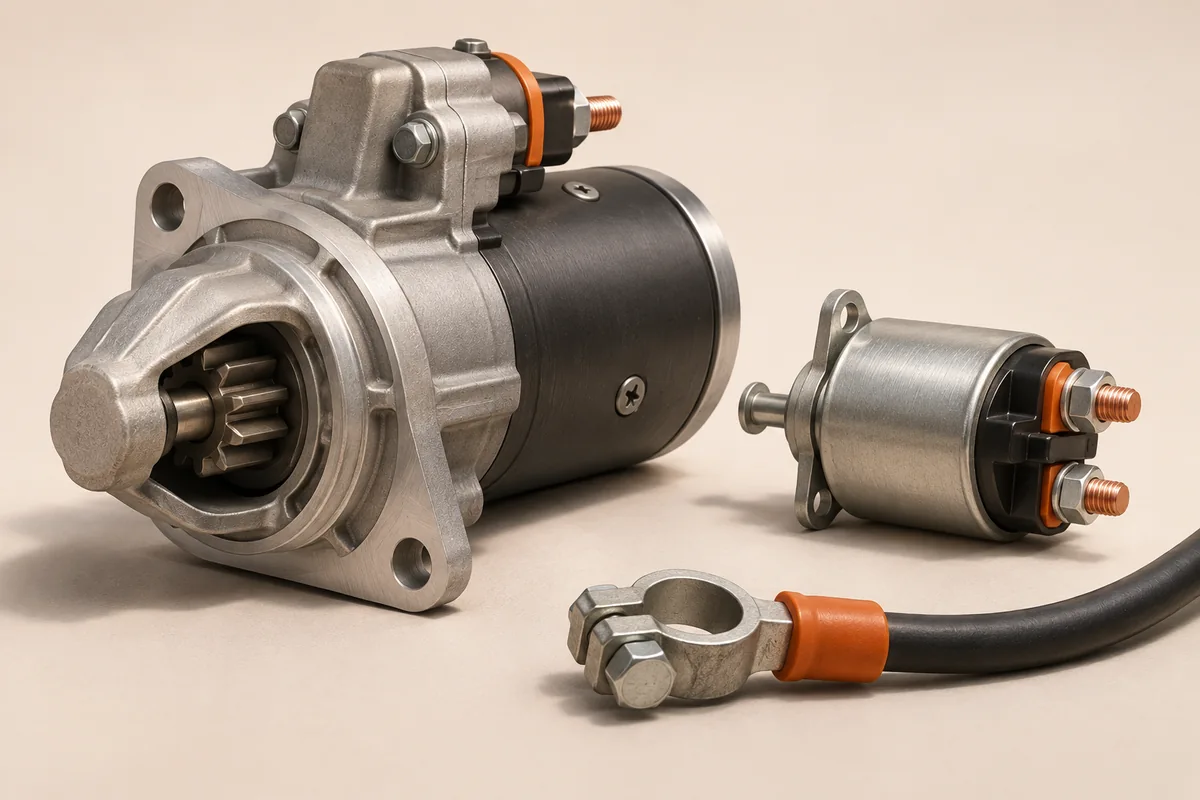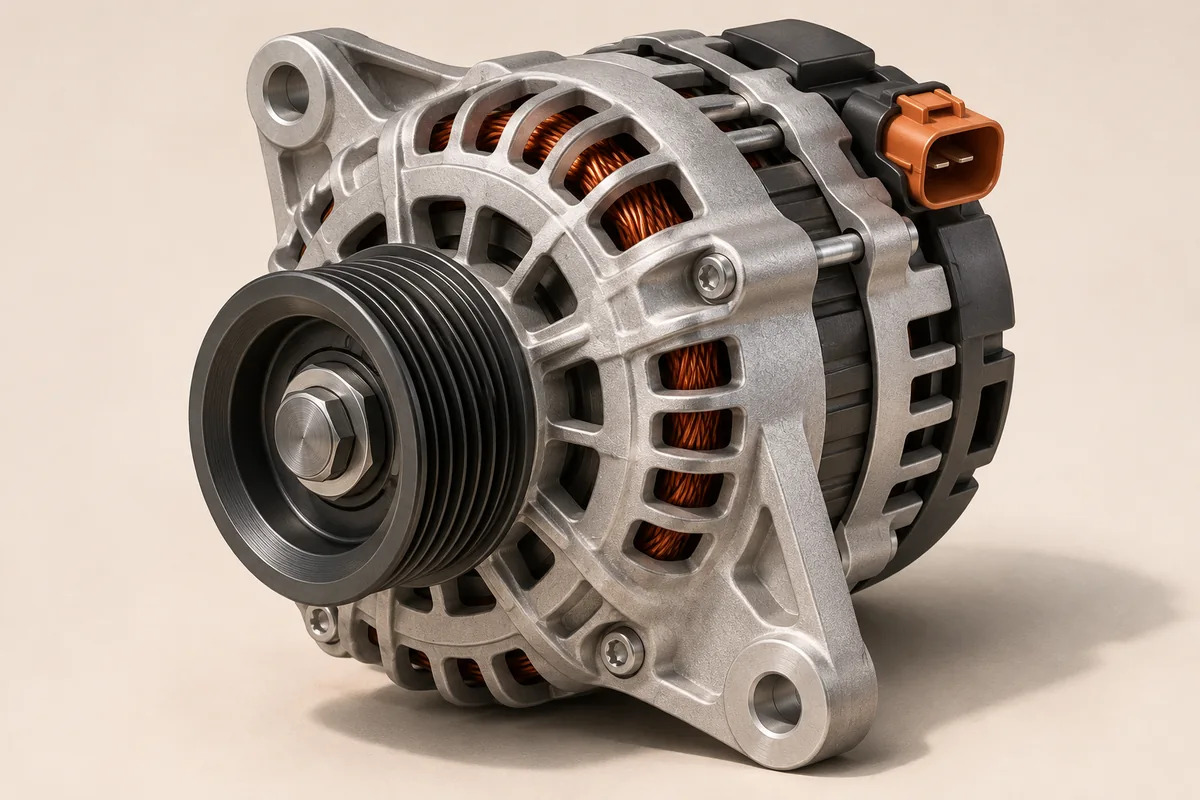
RepairPal's US alternator replacement estimate is $809–$1,088, including $613–$800 for parts and $196–$288 for labor. The estimate, updated September 3, 2026, excludes taxes and fees, doesn't account for your location, and may not cover related repairs. Parts make up the larger share of this benchmark. To judge a local price, start by finding out exactly which alternator the shop plans to install and how it determined you need one.
Read the estimate as an installed price
A parts-counter price answers what it costs to buy a unit. An installed estimate answers what it costs to get a functioning charging system back in the car. That distinction matters when an online listing looks much cheaper than a shop quote. The listing may be for a different part, may involve returning the old unit, and doesn't tell you what it costs to reach the alternator in your engine bay.
| Estimate line | What to look for |
|---|---|
| Alternator | Part number, brand, whether it's new or remanufactured, and fit for your engine and equipment |
| Removal and installation | Labor for the specific vehicle and any access work included in that labor |
| Diagnosis and verification | What testing was done, whether it's included, and how charging will be checked afterward |
| Other amounts | Taxes, fees, any refundable core charge, and separately proposed belt, battery, or wiring repairs |
If there's a core charge, ask who returns the old alternator and whether the total you owe already reflects that return. A refundable deposit can make two written totals look different even when their final cost is close. Conversely, a quote that omits tax, diagnosis, or a necessary access step can look lower until pickup. Ask for the amount due with the agreed work complete.
Establish that the alternator is the failed part
On a vehicle with a conventional alternator, a charging complaint can start elsewhere. The drive belt has to turn the unit, and its output has to reach the battery through sound connections. A battery that won't hold a charge can complicate the picture. A battery warning light or a car that needed a jump gives a technician a reason to test the system; neither tells you which part to buy.
DENSO's charging-system troubleshooting guidance calls for checking the battery, belt, cables, and charging circuit along with alternator output. A shop can measure whether voltage is being lost across a cable or connection while current is flowing, then compare alternator performance with the vehicle's specifications. That distinction has a direct bearing on the bill: replacing an alternator won't fix a poor connection between a working unit and the battery.
Ask what the technician found: did the alternator fail to produce the required output, or did the output fail to reach the battery? On a car with managed charging, a single voltage reading without the test conditions is hard to interpret. If the complaint is that the battery goes dead only after the vehicle sits, give the shop that history before authorizing replacement. Don't plan a drive around a promised number of miles remaining after a charging warning; if electrical functions begin dropping out, get to a safe stopping place and arrange assistance.
New, remanufactured, or repaired: compare the actual offer
A new replacement and a remanufactured unit are both sold as assemblies, but they are different products. If a quote just says alternator, ask which one it includes. Get the part number and the applicable parts and labor warranty in writing. For a difficult installation, it matters whether the stated terms address the labor to remove the unit again or only the replacement part. Don't infer either from the price.
A proposal to repair the alternator needs a little more explanation. It might mean a specialist will repair your original unit, or the shop might be using the term for an exchange in which it installs a remanufactured unit and returns yours. Ask which unit goes back into the car, who tests it, and what happens if your original can't be repaired as quoted. For a car you need back promptly, availability of the correct replacement can be as relevant as the difference in parts prices.
Labor time and the pickup time are different answers
The labor range in the national estimate is expressed in dollars. It isn't a promise of a certain number of hours. Access depends on the engine layout and what must be moved to get the alternator out. The shop's labor rate also affects the local total. An alternator visible from above may still lack a clear removal path, so judging labor from a photo of the engine can give you the wrong expectation.
For a Honda Odyssey, for example, give the estimator the model year and VIN rather than asking for a single Odyssey price. Have the shop confirm the exact part is available and quote the labor for that vehicle. Ask separately when the car will be ready: diagnosis, parts delivery, time in the shop's queue, installation, and the final charging check all affect pickup. If you're arranging a ride, the estimate you need is the pickup window after the part is confirmed.
Common questions about alternator quotes
Does the alternator price include a new battery? Don't assume it does. Ask for the battery test result and a separate price if replacement is recommended. A discharged battery and one that fails a condition test are different findings.
Should I authorize a belt at the same time? Ask what the inspection showed and whether the quote accounts for work that overlaps with alternator removal. A worn or damaged belt is a reason to discuss replacement; an alternator estimate by itself isn't.
Can I buy the part and pay a shop for labor only? Ask before ordering. Confirm the shop accepts customer-supplied parts, verify fit, and get written terms for labor if the supplied unit is wrong or defective. Compare the resulting installed cost with the shop-supplied option.
Is a quote above the national range necessarily too high? No. Compare another local estimate for the same vehicle, part type, and scope. A documented access requirement or additional confirmed repair explains more than the difference between your total and a national average.
Check the references
Sources
Sources checked November 8, 2026. This guide is a synthesis of published information; it has not been independently reviewed by a certified mechanic. Follow the service information for your exact vehicle. Read our editorial policy.