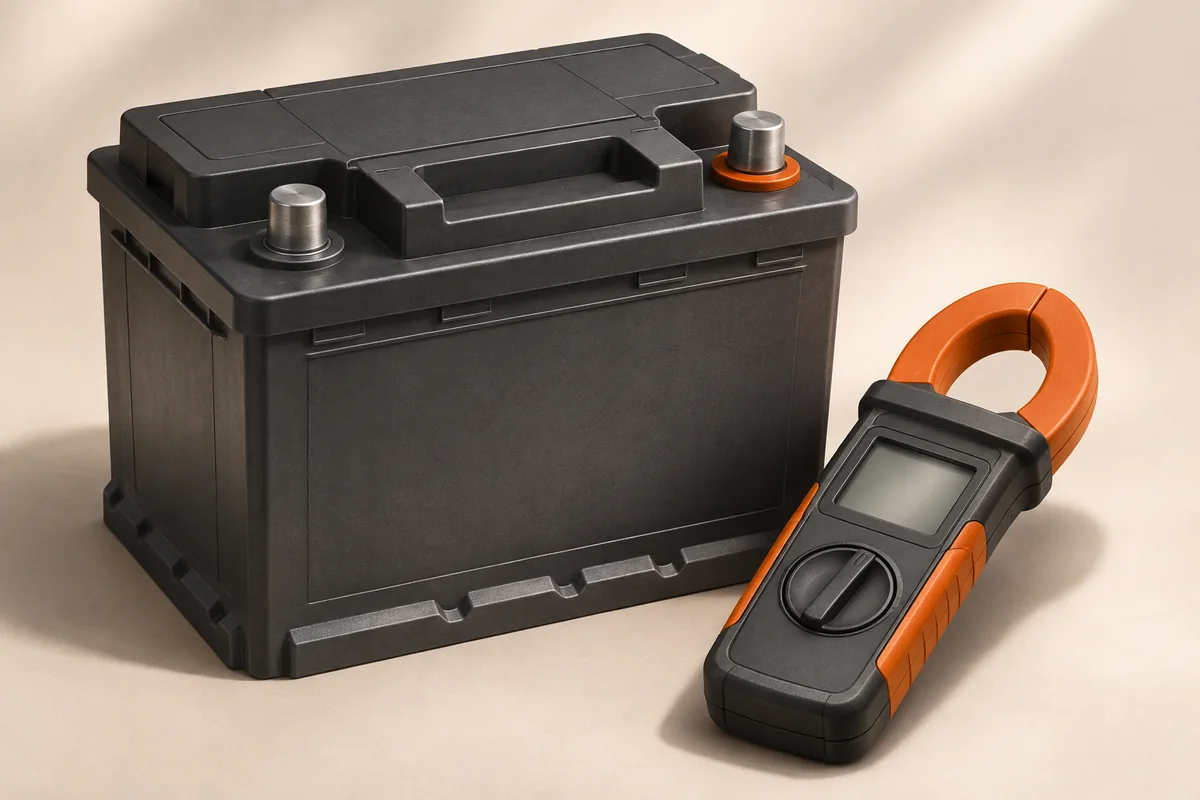
A battery that seems to die overnight may have had too little charge when you parked, lost its ability to deliver starting power, or supplied an unexpected electrical load while the car was off. A poor connection can also mimic a flat battery. A parasitic draw test measures how much current the parked vehicle uses after its electronics have had the opportunity to go to sleep. It makes the most sense alongside battery, connection, starting-system, and charging-system checks. Midtronics on intermittent battery complaints
Start with what happened when you tried to start the car
When you turned the key or pressed Start, did the engine turn slowly, did you hear a click with no engine movement, or did the engine turn at its usual speed without starting? The first two descriptions give the shop reason to check the battery and the path carrying power to the starter. An engine that cranks normally but will not start calls for a different diagnostic approach. Working cabin lights only establish that power was available for those lights. They tell you little about the battery's ability to supply the starter. No-crank symptoms and diagnosis
Record how long the vehicle was parked and what happened before the failure. A car parked after a jump-start enters the night with an uncertain state of charge. A car that starts after every overnight stop but fails after a long weekend gives the technician a different monitoring window. If the problem comes and goes, record the occasions when the car starts normally, too. That can help isolate a condition unique to the nights it fails.
What can use power while the car is off?
A dome light left on or a cargo light staying lit can provide a straightforward lead. Also consider equipment designed to operate while parked. A dashcam in parking mode or a tracker may draw power with the ignition off. A remote-start system or aftermarket audio installation belongs on the vehicle's equipment list even if it appears to be switched off. Give the shop the installation date and any setting that changed near the first failure. Midtronics battery diagnosis guidance
For an owner, the useful checks are the ones that preserve the original conditions. Look for an obvious light left on, note any door-ajar message, and identify what was plugged in when you parked. If you turn off a dashcam's parking mode and the car starts the next morning, record that detail. One good start is a lead for the technician, especially if the original fault occurred only occasionally.
The difference between an overnight failure and one after several days depends on more than the accessory. Starting charge, usable battery capacity, the size of the load, and how long it stays active all matter. A battery with little reserve can reach a no-crank condition sooner. You cannot work backward from the number of parked days alone to identify a particular device.
How a shop separates the possible causes
| Question | What the shop checks | Why it matters |
|---|---|---|
| Was the battery adequately charged? | State of charge before interpreting its performance | A discharged battery needs evaluation under appropriate test conditions |
| Can the battery deliver starting power? | Battery condition after charging as needed | A battery can accept a charge and still have limited usable capacity |
| Does power reach the starter? | Terminals, cable connections, and performance of the starting path under load | A poor connection can cause a no-crank complaint even with charge available |
| Is the car replenishing the battery? | Charging-system operation using the vehicle's specifications | The car may already be undercharged when parked |
| Does an excessive load continue while parked? | Key-off current over the relevant parking period | A persistent or recurring load gives the shop a circuit to trace |
Tell the service advisor whether the vehicle was jumped, charged, or driven to the appointment. A battery test after the drive records its condition then. It cannot reconstruct the battery's state when the car first failed to start. This is particularly important if the shop has seen the car before and each visit followed a jump-start. Midtronics on a concern that won't replicate
What happens during a parasitic draw test
Immediately after shutdown, some electronic modules are still doing normal work. The technician uses the vehicle's shutdown procedure, allows the applicable sleep period, and measures current under those conditions. The result has to be interpreted against the requirements for that vehicle and its equipment. A single universal milliamp limit or a fixed wait would ignore those differences. Midtronics on module sleep and intermittent draw
For an intermittent drain, the current pattern over time matters. It may settle as expected and then rise again when something wakes up. A quick reading during a quiet interval can miss the event. Tell the shop if the failure tends to happen only at home, only with a particular accessory enabled, or after the car sits for several days. That helps it choose conditions and a monitoring period that resemble yours.
When the technician observes excess current, the next step is to narrow it to a circuit and then to the device or condition responsible. Several devices may share a circuit. Ask what changed the measured draw and whether the technician repeated the sleep check after the repair. That is stronger evidence of a fix than a successful start immediately after charging.
Battery, alternator, and starter questions
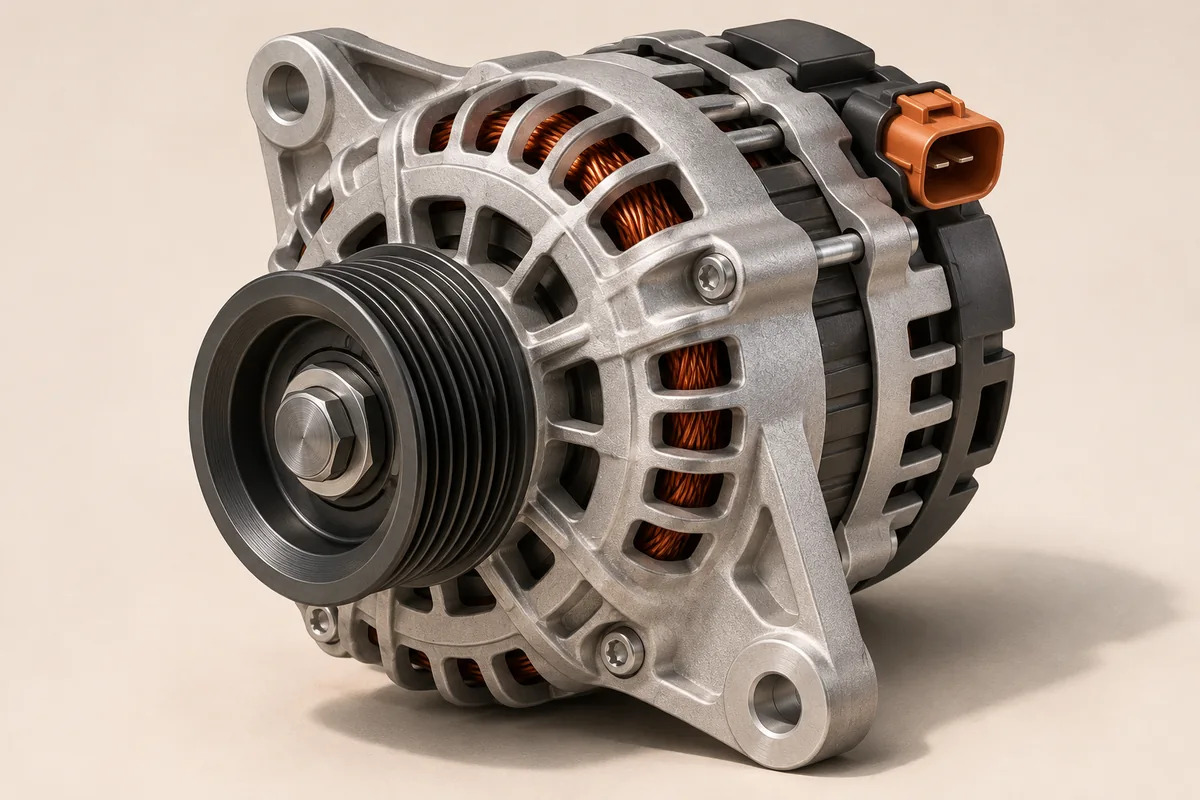
Can an alternator drain a battery with the engine off? Yes. A failed alternator diode can provide a path for parked current loss. It can also cause abnormal AC ripple, a fluctuation in the alternator's electrical output, even when the car appears to charge. A shop can assess ripple and charging performance as well as parked draw before recommending an alternator. Midtronics on alternator diodes
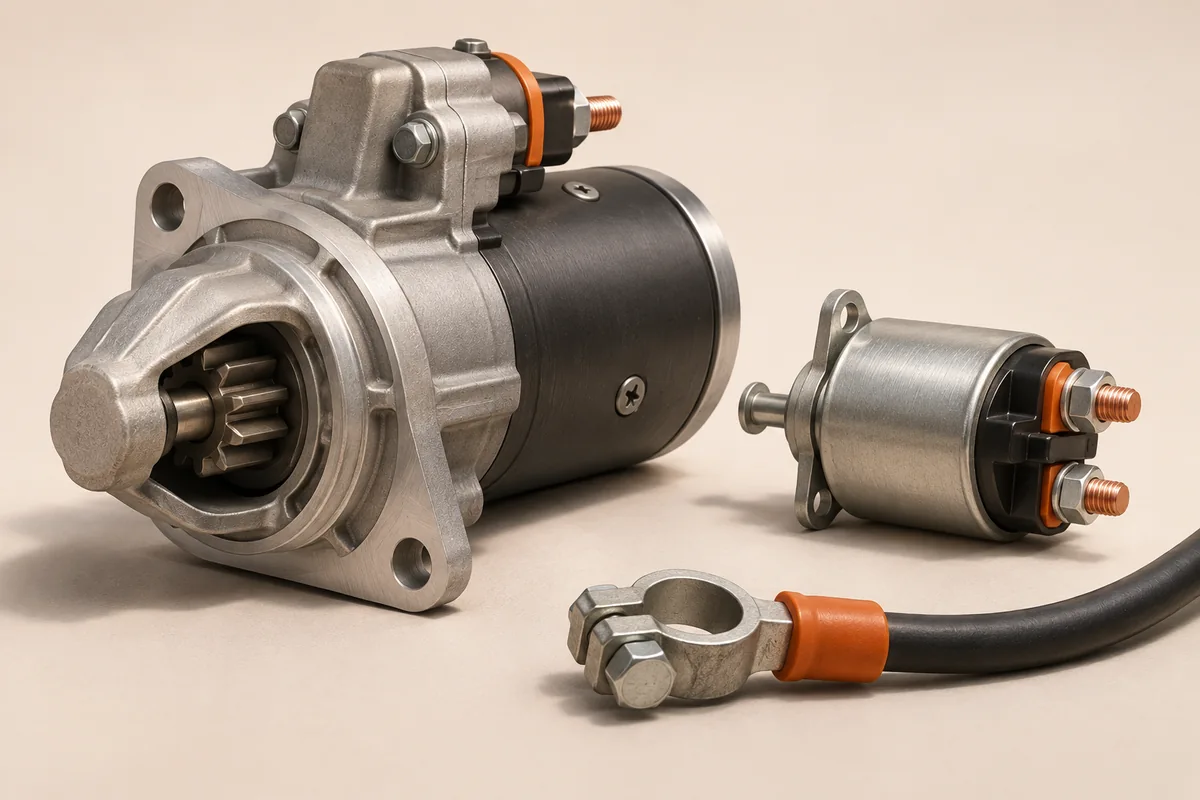
Can a bad starter make the battery seem dead? Yes. A starting-path problem can keep the engine from turning when you request a start. To blame the starter circuit for a loss during parking, the shop would also need evidence of current flowing through that path while the vehicle was off.
Why does a new battery keep dying? Replacing the battery leaves an existing charging fault, poor connection, or parked load in place. Have the shop check the replacement's charge and condition, then use the original failure pattern to decide whether extended current monitoring is warranted.
What should I ask if the shop says the draw is normal? Ask when it took the reading, whether the modules had gone to sleep, and how long it observed the vehicle afterward. If your car fails only after a weekend, a normal reading during a short appointment leaves the rest of that parking period unexplained.
Check the references
Sources
- Midtronics Diagnosing a Battery Concern that Won’t Replicate
- Midtronics What Are Diodes and Why Are They Important?
Sources checked November 8, 2026. This guide is a synthesis of published information; it has not been independently reviewed by a certified mechanic. Follow the service information for your exact vehicle. Read our editorial policy.