Worn or fouled spark plugs can make a gasoline engine idle unevenly, stumble during acceleration, or take longer to start even though the starter turns it over normally. The strongest evidence for replacement is a plug whose condition fits the complaint, such as a badly worn electrode in a cylinder that keeps misfiring. A deposit-covered plug deserves a second question, too. What put the deposit there? DENSO spark plug troubleshooting
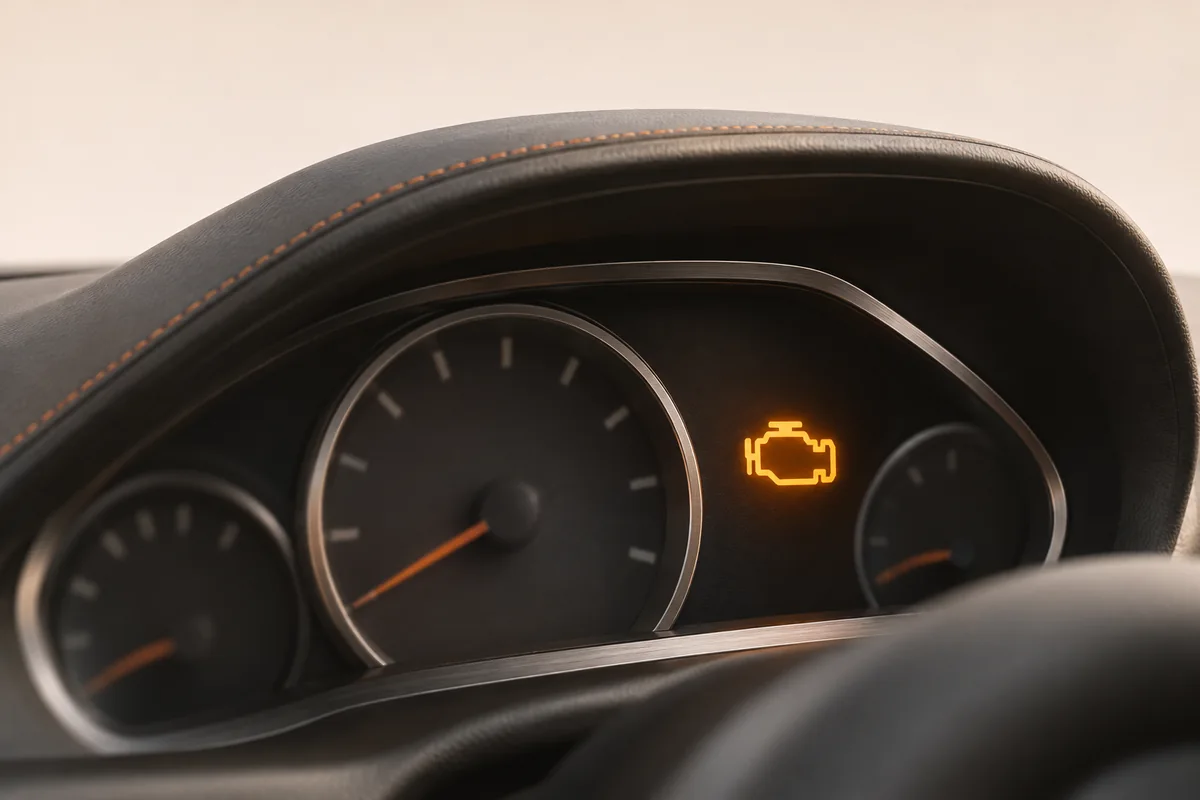
If the engine is shaking and the check engine light is flashing, ease out of traffic, stop somewhere safe, shut off the engine, and arrange a tow. Continuing to drive with an active misfire can damage the catalytic converter. The symptoms you have already observed are enough to report. Flashing check engine light guide
What a weak or intermittent spark feels like
At a stoplight, a misfire can feel like a repeated skip in the engine's otherwise steady rhythm. During acceleration, you may feel a brief loss of pull even if the car idled smoothly before you set off. The spark has to cross a small gap between the plug's electrodes. As those electrodes wear, the ignition system can have a harder time producing a reliable spark, particularly when the engine is under load. Fouling can also interfere with ignition while leaving the electrodes relatively unworn. DENSO diagnostic guide
The circumstances narrow the complaint. Did the engine start promptly and then shake at the first stop, or did it crank for an unusually long time before it caught? Did it hesitate while climbing a familiar grade? A decline in gas mileage is worth mentioning alongside either symptom, especially if your route and driving habits have stayed similar. By itself, a change between fill-ups tells you little about the plugs.
Listen to what happens when you try to start the car. If the engine turns over but struggles to fire, ignition belongs on the list of possibilities. If you hear a click and the engine never turns, start with the cranking problem. New plugs cannot make the starter rotate the engine.
How to read the firing end of a spark plug
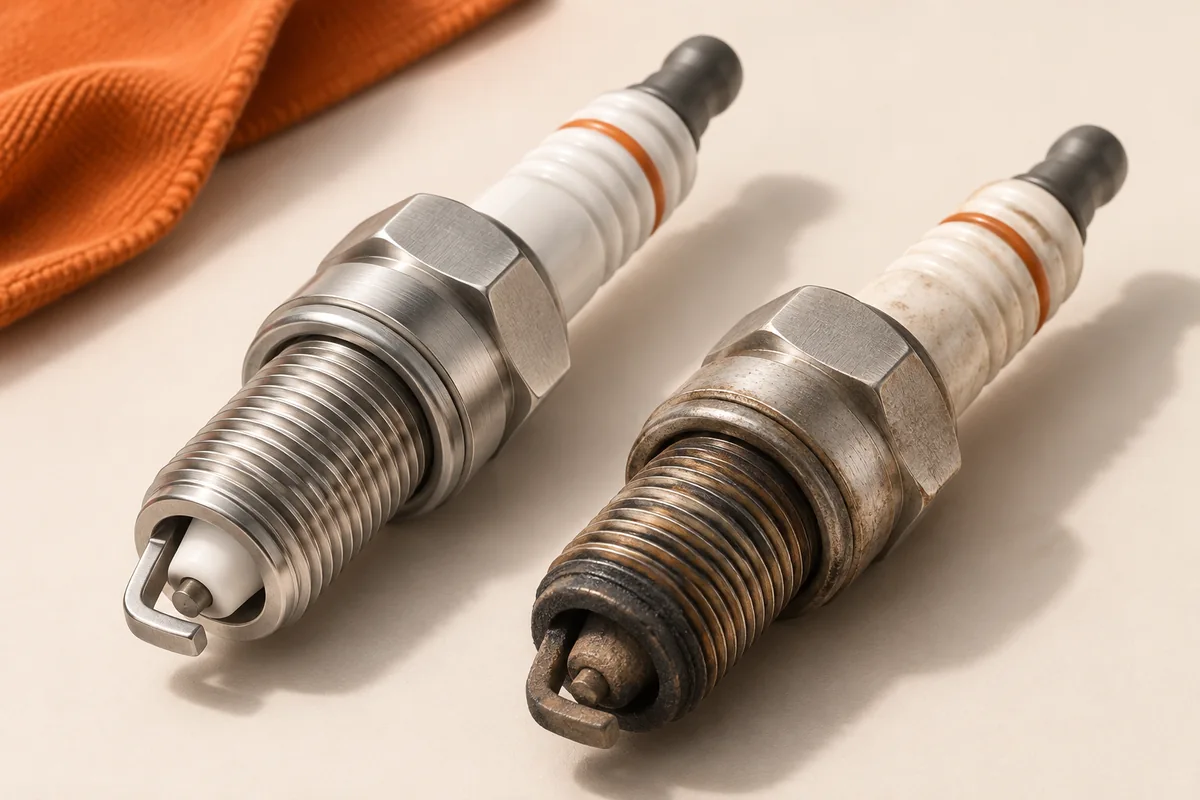
The firing end is the tip that projects into the combustion chamber. If a shop removes the plugs to investigate a misfire, ask it to keep track of which cylinder each plug came from. A photo of the set in cylinder order can show whether one plug stands out or similar wear extends across the engine. NGK guide to reading spark plugs
| Finding at the firing end | What it can mean | What to check next |
|---|---|---|
| Rounded, eroded electrodes | The plug has accumulated wear | Compare the gap and plug type with the exact engine specification and check the service history. |
| Dry black deposits | Carbon fouling, possibly from rich operation or an unsuitable plug heat range | Verify the part number and investigate the conditions that produced the deposits. |
| Wet deposits | Fuel, oil, and coolant point to different problems | Identify the fluid and the affected cylinders before choosing a repair. |
| Blistering or heat damage | The plug has experienced excessive heat | Investigate the cause before putting another plug into the same conditions. |
The location of a deposit matters. Oil on the firing end raises a question about oil entering the combustion chamber. If someone reports finding oil around a plug, ask where they saw it before drawing that conclusion. Likewise, a clean-looking tip is only one observation. Its color cannot establish how reliably the plug fires when you press the accelerator. NGK firing-end guidance
Separating a bad plug from a bad coil
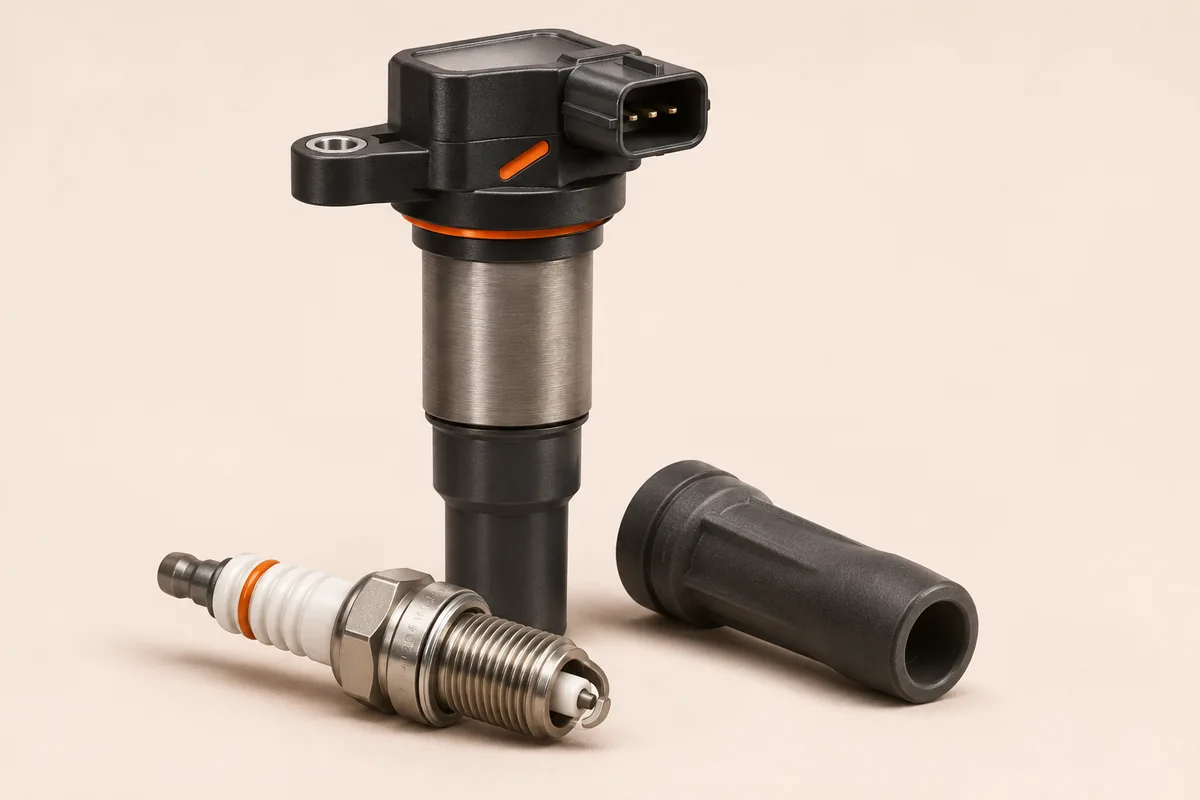
The coil supplies the high voltage. The plug provides the gap where the spark occurs. Trouble at either point can make the same cylinder miss, so a cylinder-specific misfire code is useful primarily because it tells the technician where to begin. Save the codes and available freeze-frame data before anyone clears them. That snapshot can help connect a complaint about acceleration to the engine speed and load when the fault was recorded.
A technician can compare the suspect cylinder's plug with its neighbors, inspect the coil and its connection, and, when appropriate for the engine, see whether the misfire follows a coil moved to another cylinder. A misfire that follows the coil strengthens the case against it. If it stays in the original cylinder, the plug, fuel delivery, and the cylinder's ability to build compression still warrant consideration. For a code involving random or multiple misfires, see the P0300 diagnostic guide.
A handheld multimeter has a narrower use. An ohmmeter can measure resistance through the internal path of a resistor plug when the manufacturer supplies a suitable test and specification. That reading cannot show whether a spark consistently crosses the electrode gap under cylinder pressure. A plug that passes a resistance check can still have worn electrodes or a fouled firing end.
When replacement makes sense
Start with the maintenance schedule for your particular engine and the mileage on the last plug invoice. If the set is due and inspection shows similar electrode wear throughout, replacing the set addresses a documented maintenance need. If one relatively new plug keeps oil-fouling while the rest look similar to one another, ask what the shop found in that cylinder. Another clean plug may restore smooth running temporarily while the oil problem continues. DENSO spark plug diagnosis
Have the estimate identify the plug part number and whether it covers one plug or the set. Gap, heat range, and tightening requirements belong to the specific application. If the plugs were recently changed and the trouble began immediately afterward, give the technician that invoice and the timing of the first symptom. Those details make the installed parts and disturbed connections a sensible place to begin.
Frequently asked questions
Can spark plugs cause a rough idle without obvious hesitation on the road? Yes. An uneven idle may be the symptom you notice first. Record when it happens, including whether the engine is cold or warmed up, and have the shop check which cylinders are contributing unevenly.
Does a fuel-wet plug mean the plug failed? Fuel on the tip can be consistent with a cylinder that did not fire. The technician still needs to determine why, including whether the coil supplied ignition and whether the cylinder received too much fuel. NGK spark plug guide
Do I need new coils whenever I replace the plugs? Scheduled plug service alone is insufficient reason to replace a coil. If both appear on the estimate, ask which coil showed damage or failed a diagnostic check and which plugs are due for maintenance.
Check the references
Sources
Sources checked November 8, 2026. This guide is a synthesis of published information; it has not been independently reviewed by a certified mechanic. Follow the service information for your exact vehicle. Read our editorial policy.