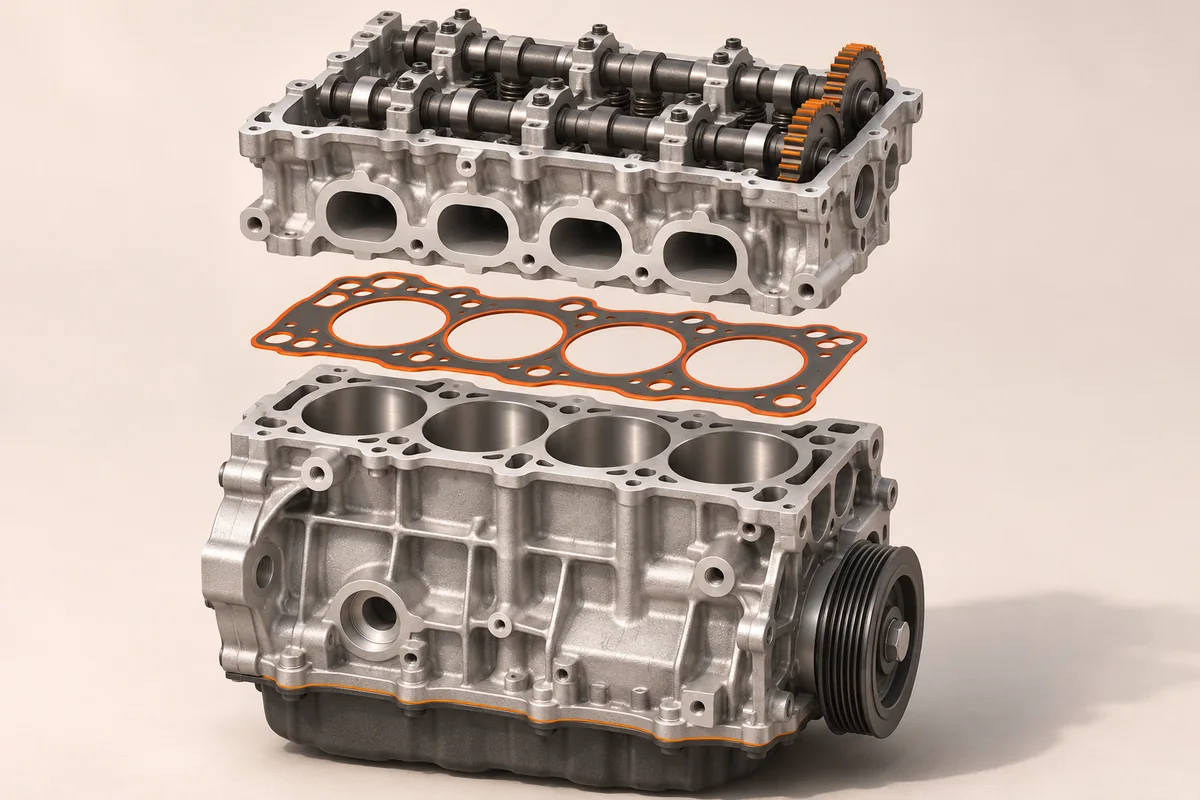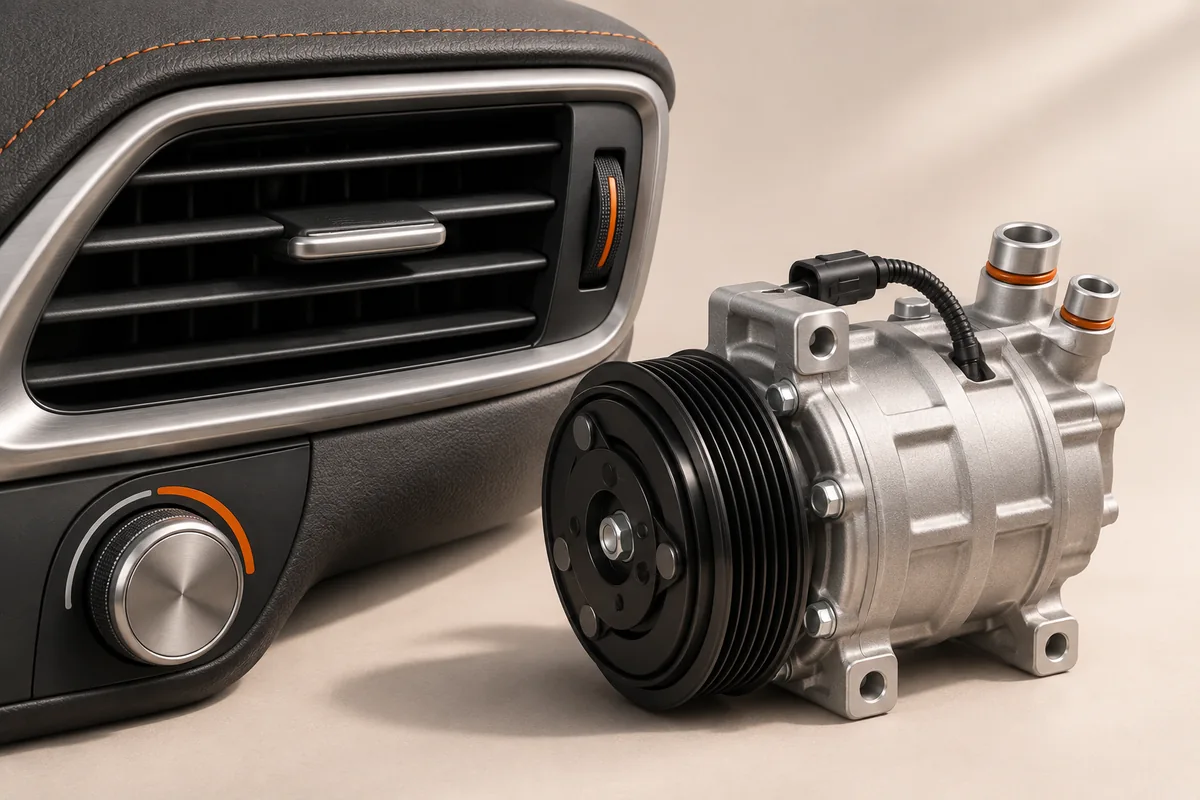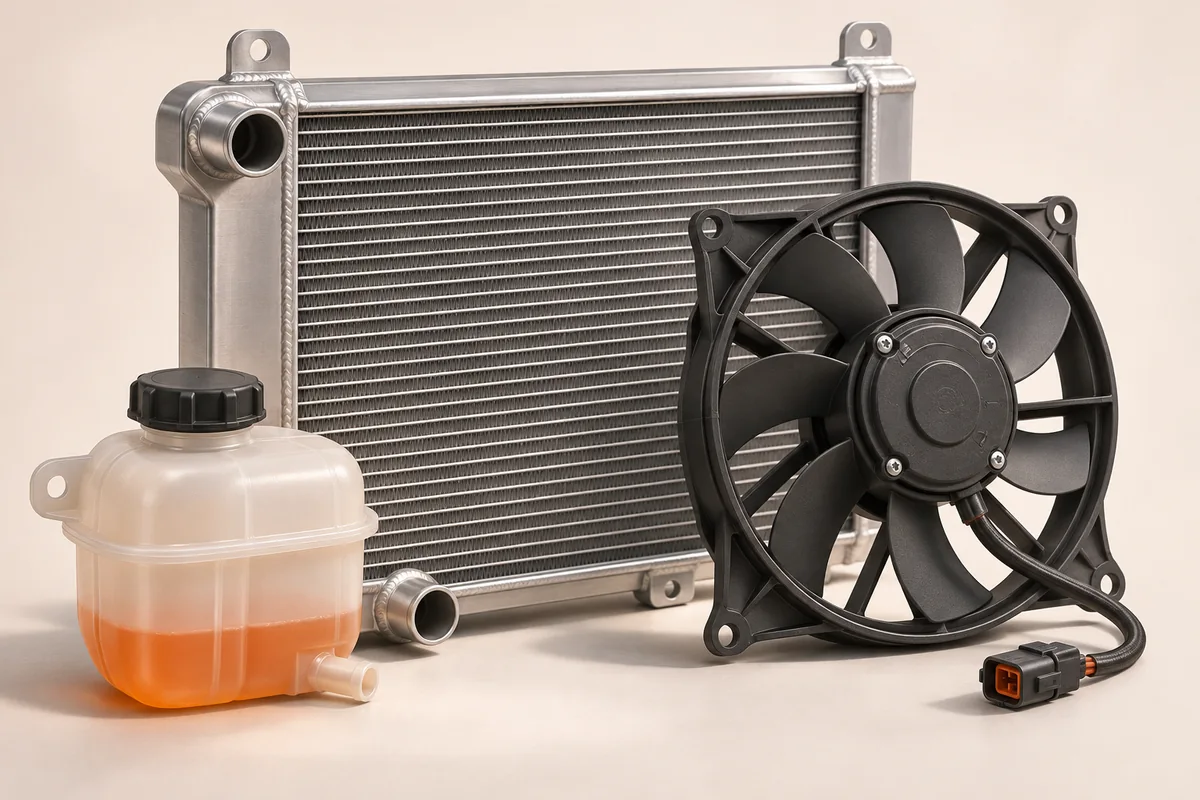
If the temperature gauge reaches hot, an engine coolant overtemperature warning appears, or steam comes from under the hood, pull off the road as safely as possible, shut off the engine, and seek assistance. Don't open the radiator or coolant reservoir cap while the system is hot. Pressurized coolant can escape and scald you. A full-looking reservoir doesn't make it safe to continue. The warning concerns temperature; the mark on the tank tells you only about level.
What to do at the roadside
Once stopped, don't leave the engine idling to see if the gauge will come down. If there's steam, stay clear of it. Let the system cool fully and follow the owner's manual for your vehicle. The Ford/Lincoln coolant and overheat instructions illustrate why: they direct the driver to stop safely and switch off, and warn against removing the reservoir cap with the engine running or the system hot. Don't assume your car has a special cooling mode that will get you home.
For roadside assistance, report the actual warning and whether you saw steam or liquid escaping. A photograph of the dash taken once safely stopped can help if the message disappears. A gauge that drops after shutdown tells you the conditions have changed; it doesn't establish that the fault has cleared. Arrange a tow if there's visible coolant loss, steam, or a recurring warning rather than restarting for another trial.
What traffic, road speed, and AC use can tell you
An engine sheds heat through its cooling system. Coolant carries heat from the engine to the radiator, where outside air carries it away. The same hot gauge can result from too little coolant, inadequate circulation, or inadequate airflow. Gates' cooling-system guide treats these as parts of a system; the symptom alone doesn't identify a thermostat, pump, or other failed part.
| When the temperature rose | Where that points the inspection |
|---|---|
| While waiting in traffic; the gauge had been normal on the open road | Check airflow through the radiator at low road speed, including whether the fan operates when needed. |
| With the AC on, especially while stopped | Check fan operation and airflow through the condenser and radiator under the reported conditions. |
| While driving steadily or climbing a grade | Check coolant level, circulation, and the radiator's ability to release heat under load. |
| Soon after cooling-system service | Review what was drained or replaced and check the fill, possible trapped air, and disturbed connections. |
At idle, the radiator doesn't get the airflow it would from a moving car. That's why a fan check is a useful early step when temperature rises at red lights. It doesn't mean the fan motor needs replacing: the technician needs to know whether the fan was called on and whether air actually moved through the radiator. There's no need to recreate the overheat yourself.
If the AC merely blows warm and the engine gauge stays normal, that's a different complaint; see car AC that stops cooling at idle. If both happen together, tell the shop which you noticed first. Switching the AC off may change the conditions, but it doesn't resolve an engine temperature warning.
Why the engine can overheat with full coolant
Think of the reservoir mark as an inventory check. Even a correct cold level says nothing about how freely coolant moves through the engine or how much heat the radiator releases. A thermostat that doesn't open as required can restrict circulation. A pump problem can also interfere with flow. A restricted radiator or poor airflow can leave circulating coolant unable to shed enough heat. These possibilities call for different repairs, although the view through the side of the tank may look much the same.
The reverse situation matters, too. If the cold level is low, report where it was relative to the marks and whether it has fallen since an earlier check. The technician can inspect the hoses, radiator, pump area, and pressure cap for evidence of loss. Use the coolant specification in your manual if filling is called for; plain water isn't a normal long-term replacement. Repeatedly restoring the level without finding out where the coolant goes leaves the cause unresolved.
What a useful diagnosis should establish
Start with the sequence of events. A temperature warning halfway up a grade after an uneventful stretch of highway gives a technician a different starting point from a warning that appeared while waiting in a drive-through. Mention recent hose, thermostat, radiator, or pump work and any coolant you added. If no one has checked the level with the engine cold, say that rather than reporting the system as full.
Ask how the technician confirmed the engine temperature, what evidence there is of leakage, and what the circulation and airflow checks showed. For example, a pressure test can help locate a leak, but finding no external leak doesn't establish that the fan works. If a shop proposes a major engine repair, ask what finding supports internal damage beyond the fact that the gauge went hot. Overheating alone doesn't diagnose a failed head gasket. A repair estimate should name the cause found and explain how the shop will verify temperature control afterward.
Questions drivers ask after an overheat
Can a car be overheating without visible steam? Yes. Take a hot gauge or coolant temperature warning seriously even if the hood looks dry. Steam isn't a prerequisite for stopping.
If the gauge went back to normal when traffic cleared, is the car fixed? No. Increased road airflow may have changed the symptom. Report the traffic pattern and have the car checked before relying on it again.
How long should I wait before opening the coolant cap? Don't go by a timer. Let the system cool fully and follow your vehicle's instructions. If you're unsure, leave the cap closed for roadside assistance.
Is there one normal coolant temperature for every engine? No. The technician should use the vehicle's specified operating range and the circumstances of the reading. On the road, follow the vehicle's hot warning rather than trying to reconcile it with a generic number.
Check the references
Sources
- Gates Diagnosing Car Cooling System Related Problems
- Ford/Lincoln Owner Manual Engine Coolant Check and Fail-Safe Cooling
Sources checked November 8, 2026. This guide is a synthesis of published information; it has not been independently reviewed by a certified mechanic. Follow the service information for your exact vehicle. Read our editorial policy.